
Periodontitis signs and symptoms
Periodontal disease refers to any infection of the soft tissue and bone that holds your teeth in place. Periodontitis is the more severe form of periodontal disease that, without proper treatment, can destroy the attachment of the gums to the teeth and the bone that supports your teeth. This can lead to sore, bleeding gums, bad breath, loose teeth, and even result in tooth loss.
What are the common causes of periodontitis? 2
Periodontitis is common but largely preventable. In fact, 47.2% of adults aged 30 years and older have some form of periodontal disease in the U.S.
Unlike gingivitis, the early and more mild stage of gum disease, periodontitis is not reversible. Fortunately, it is preventable through good daily dental hygiene. If you're experiencing symptoms of periodontitis, then it is essential to diagnose the problem and stop it early before too much damage occurs.
Our mouth is filled with millions of bacteria. Most are harmless, but some can infect and damage the teeth and gums. These bacteria constantly form a sticky, colorless “plaque” on teeth. Failure to remove this plaque on a daily basis and get regular dental checkups can result in an easily controlled problem turning into something that can end in tooth loss. Early gum disease is called gingivitis and is easily reversible. However, if left untreated, gingivitis can progress to periodontitis as the plaque buildup begins to spread below the gum line and attacks the attachment of the gum to the tooth. This leads to progressive loss of attachment and, eventually, bone loss.
Furthermore, certain risk factors, in particular, smoking, are associated with this type of periodontal disease. Additional risk factors include diabetes and other medical conditions, dry mouth, hormonal changes in girls and women, and genetic susceptibility. Learn more about the causes of periodontitis.
Unlike gingivitis, the early and more mild stage of gum disease, periodontitis is not reversible. Fortunately, it is preventable through good daily dental hygiene. If you're experiencing symptoms of periodontitis, then it is essential to diagnose the problem and stop it early before too much damage occurs. Regular dental visits allow your dentist to timely detect and treat problems. They can also advise you on prevention strategies and help to address any risk factors you might have that favor the development or progression of periodontal diseases. Let's take a look at the signs and symptoms of periodontitis.
What are the signs and symptoms of periodontitis? 1
Healthy gums are typically firm, pale pink in color, and fit snugly around your teeth. Periodontitis is always preceded by gingivitis, so the signs and symptoms are similar. As periodontitis spreads below the gumline and affects the bone support of the tooth, other changes will occur. Signs and symptoms will depend on the stage of the disease but may include:
-
Swollen or puffy gums
-
Bright red, dusky red, or purplish gums
-
Gums that feel tender when touched
-
Gums that bleed easily, especially when brushing or flossing your teeth
-
Persistent bad breath
-
Pus between your teeth and gums
-
Loose teeth or new spaces developing between teeth (teeth shifting)
-
Painful chewing
-
Gums that pull away from your teeth, which can make your teeth look longer than usual
-
A minor or significant change in the way your teeth fit together when you bite
It’s important to know what symptoms to look for and follow your dentist’s recommended schedule for regular dental checkups. In doing so, you can catch periodontitis early and greatly improve your chances of successful treatment. Learn more about the signs and symptoms of periodontitis.
How do you diagnose and treat periodontitis?
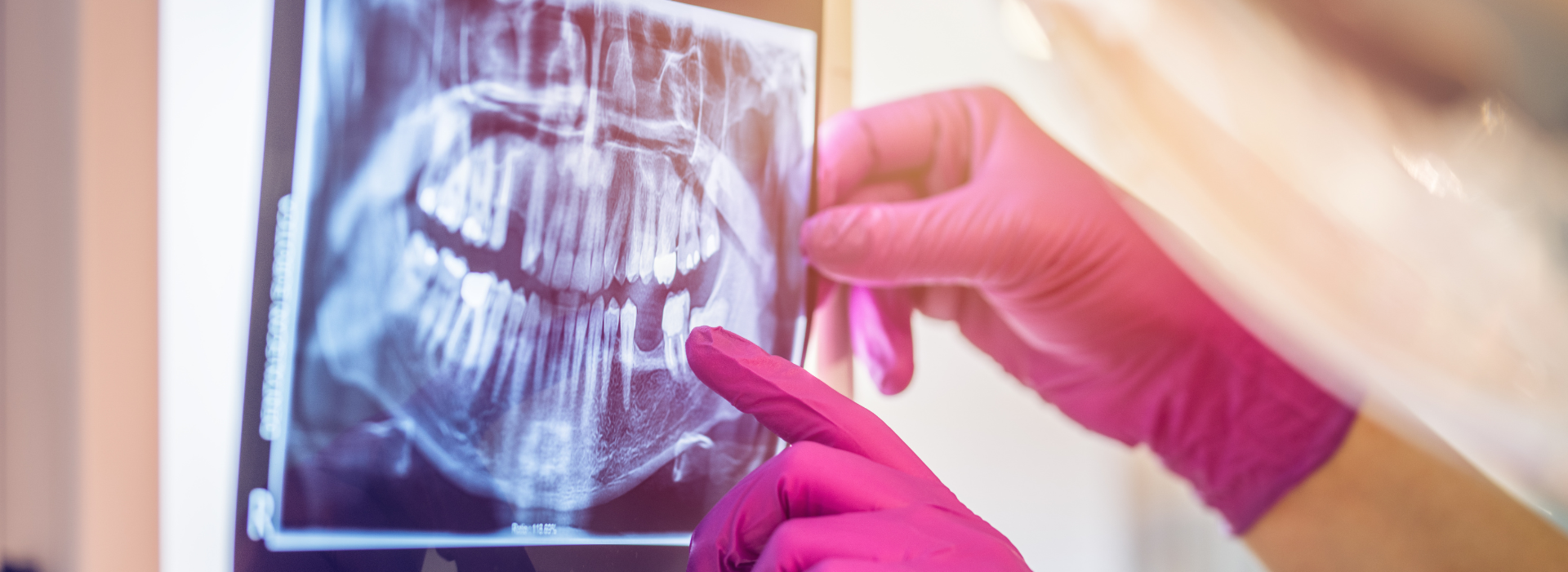
With the help of a dentist, periodontitis is easily diagnosable and treatable. To determine whether you have periodontitis and how severe it is, your dentist may probe pockets between your teeth and gums and check if there is any bone loss on X-rays.
There are both non-surgical and surgical treatments available which include scaling and root planing, antibiotics, and bone grafting. Periodontitis treatment aims to extensively clean the pockets around your teeth to prevent further damage to the surrounding bone. Learn more about how your dentist will diagnose and treat periodontitis.
FAQ on Periodontitis
Here are some answers to frequently asked questions about periodontitis.
-
Can periodontitis be reversed?
Periodontitis can’t be reversed, but you can stop it from advancing further. For that reason, it is critical to notice the signs of gingivitis and catch it in its early stages to prevent it from progressing to periodontitis.
-
Is periodontitis serious?
Periodontitis is a severe form of gum disease that can lead to tooth loss or other serious health complications. If left untreated, periodontitis can damage the soft tissue that surrounds your teeth and destroy the bone that supports it.
-
Can periodontitis spread to other parts of the body?
The pockets around your teeth become breeding grounds for bacteria that cause the infection. Furthermore, the bacteria can enter your bloodstream through the gum tissue and possibly affect other parts of your body.
-
How is chronic periodontitis treated?
To prevent progression to severe stages of periodontitis, a prompt diagnosis of the disease at its earliest stages is critical. Slight and moderate chronic periodontitis can be successfully managed by the removal and reduction of plaque and calculus.
Sources:
1 U.S. Department of Health and Human Services. (n.d.). Periodontal (Gum) Disease. National Institute of Dental and Craniofacial Research. https://www.nidcr.nih.gov/health-info/gum-disease/more-info.
2 Mayo Foundation for Medical Education and Research. (2020, February 14). Periodontitis. Mayo Clinic. https://www.mayoclinic.org/diseases-conditions/periodontitis/symptoms-causes/syc-20354473.
Related Articles
Find a dental plan that is right for you
Find a Dental Plan