
The importance of replacing your toothbrush
When it comes to oral health, Americans are building strong habits. According to the 2026 State of America's Oral Health and Wellness Report, nearly three-quarters of adults say they brush twice a day (72%) and floss daily (73%). Yet only 55% replace their toothbrush every three months as recommended.
It may seem like a small detail, but regularly replacing your toothbrush or toothbrush head is an important part of maintaining good oral health.
Why your toothbrush needs replacing
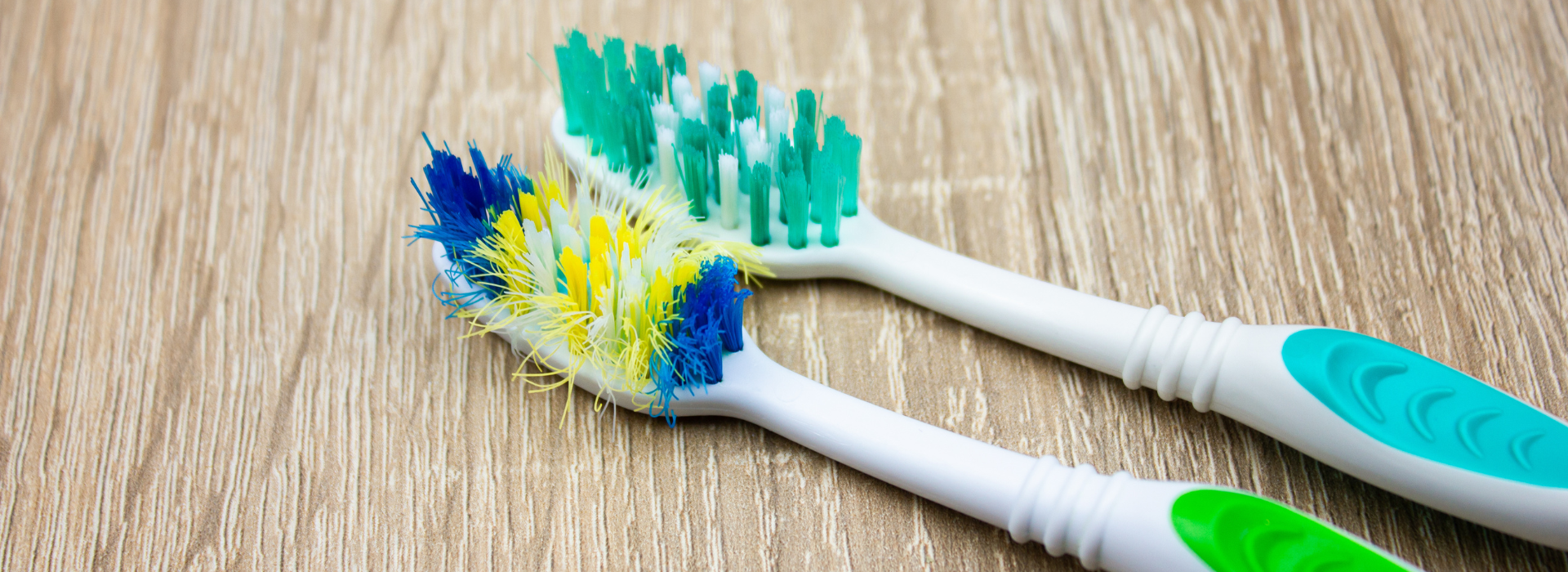
Over time, toothbrush bristles become worn, frayed, and less effective at removing plaque and food particles from your teeth and along the gumline. Even if your toothbrush still looks usable, months of daily brushing can reduce its cleaning effectiveness.
That's why dental professionals generally recommend replacing your toothbrush or electric toothbrush head every three to four months. If the bristles are visibly bent or frayed sooner than that, it's time for a replacement.
Unfortunately, many people put it off. The 2026 State of America's Oral Health and Wellness Report found that among adults who don't replace their toothbrush on schedule, 46% simply forget, 42% wait until the bristles appear worn, and 30% don't purchase a replacement during routine shopping trips.
The visual check
Not sure when you last replaced your toothbrush? A quick visual inspection can help. Take a look at the bristles. If they appear bent, frayed, flattened, or splayed outward, your toothbrush has likely reached the end of its useful life.
Worn bristles are less effective at removing plaque and debris from your teeth and along the gumline, which can make your daily brushing routine less effective. While dentists recommend replacing your toothbrush or toothbrush head every three to four months, visible wear is a good indicator that it's time for a fresh one, even if you haven't reached the three-month mark yet.
Don't forget after you've been sick
It is also important to remember to replace your toothbrush is after recovering from an illness.
When you're sick with a cold, flu, strep throat, or another infection, your toothbrush can come into contact with germs while you're recovering. Once you're feeling better, starting fresh with a new toothbrush or toothbrush head can help eliminate concerns about lingering bacteria or viruses on a brush you've been using during your illness.
While a toothbrush isn't usually the sole cause of reinfection, replacing it after you've recovered is a simple step that can support your return to normal routines and give you one less thing to worry about.
Easy ways to remember
If remembering is the biggest challenge, you're not alone. Consider these simple reminders:
-
Replace your toothbrush when the seasons change.
-
Set a recurring phone reminder every three months.
-
Keep an extra toothbrush or replacement head at home.
-
Add toothbrush heads for electronic toothbrushes to automatic subscription or shopping lists.
-
Swap out your toothbrush after recovering from an illness.
Small habit, big impact
Good oral health isn't just about brushing and flossing. It's also about making sure the tools you're using are doing their job effectively.
With nearly half of adults not replacing their toothbrush as recommended, this small habit represents an easy opportunity to strengthen an already solid oral health routine. The next time you're restocking household essentials, take a quick look at your toothbrush. If you can't remember when you last replaced it, it might be time for a new one.
Related Articles
Find a dental plan that is right for you
Find a Dental Plan