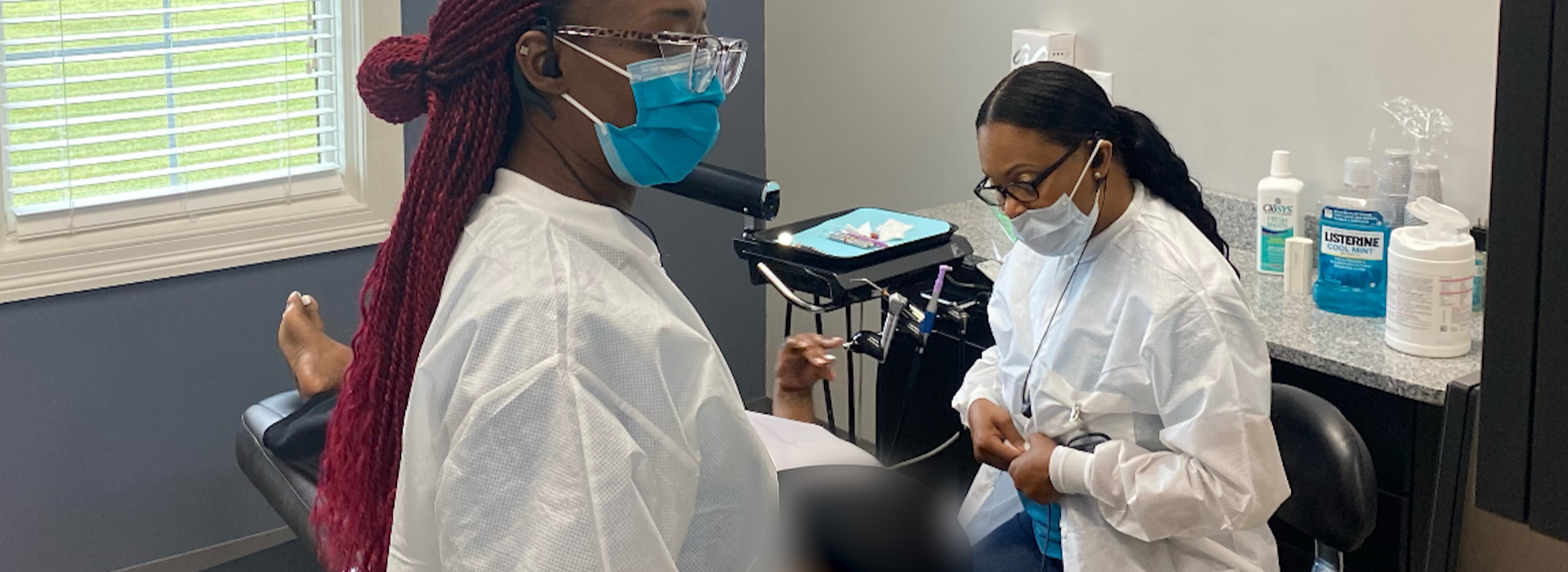
 By: Dr. Christina Rosenthal, D.D.S., M.P.H.
For more than twenty years, I've had the unique experience of practicing dentistry in an area where Mississippi, Tennessee, and Arkansas meet. My patient base came from all three regions, which allowed me to see—with complete clarity—the difference fluoridated water makes in a community's oral health.
The contrast was unmistakable. Patients who lived in fluoridated areas consistently had fewer cavities, while those relying on wells or water systems without fluoride struggled with significantly higher levels of decay. But it wasn't just cavities. I also saw more periodontal disease in non-fluoridated communities—disease that led to loose teeth and premature tooth loss.
These experiences have shaped my firm belief in community water fluoridation.
I advocate whole-heartedly for fluoridation because it works—and because it's safe. Fluoride is simply a mineral. It's one of the most cost-effective public health measures we have, especially when implemented at the community level where everyone benefits.
I've seen the difference this one intervention can make, particularly for people who lack access to regular dental care. In many inner-city, low-income, or rural areas, dental providers are limited. When fluoridation helps reduce decay before it begins, families save money, parents miss fewer workdays, and kids spend more days in school instead of in pain.
The Real Consequences of Untreated Decay
Sometimes people think of cavities as minor issues, but untreated decay can lead to serious, even life‑threatening, infections. I often share the story of Diamonte Driver, a child from Baltimore who died from a preventable dental infection—one that started as a cavity in his six‑year molar.
Tooth decay doesn’t stay in the mouth. When infection spreads, it can affect the entire body. Dental health is whole‑body health.
The Role of Education
In communities without fluoridated water, I’ve also seen lower levels of oral‑health literacy—and I’ve seen it within my own family. When you’re deciding between paying a bill and treating a toothache, extraction often wins because it’s cheaper in the moment, even though it causes long‑term problems.
That’s why education is key. When people understand the benefit of fluoride and see real examples of how it improves community health, change becomes possible. Education is our most powerful tool.
How We Move Forward
To protect and expand fluoridation, we need engaged citizens and informed policymakers. Identify your legislators. Share simple, clear materials that explain fluoride’s benefits and
highlight real stories of preventable decay.
Form coalitions—dentists, pediatricians, and other providers can work together to demonstrate the positive impact fluoridation has on public health.
From my public health perspective, fluoride is one of the greatest achievements we’ve made. Its benefits should never be minimized.
And most importantly, parents must understand the seriousness of tooth decay. Once they do, they become powerful advocates—both for themselves and for
their children.