
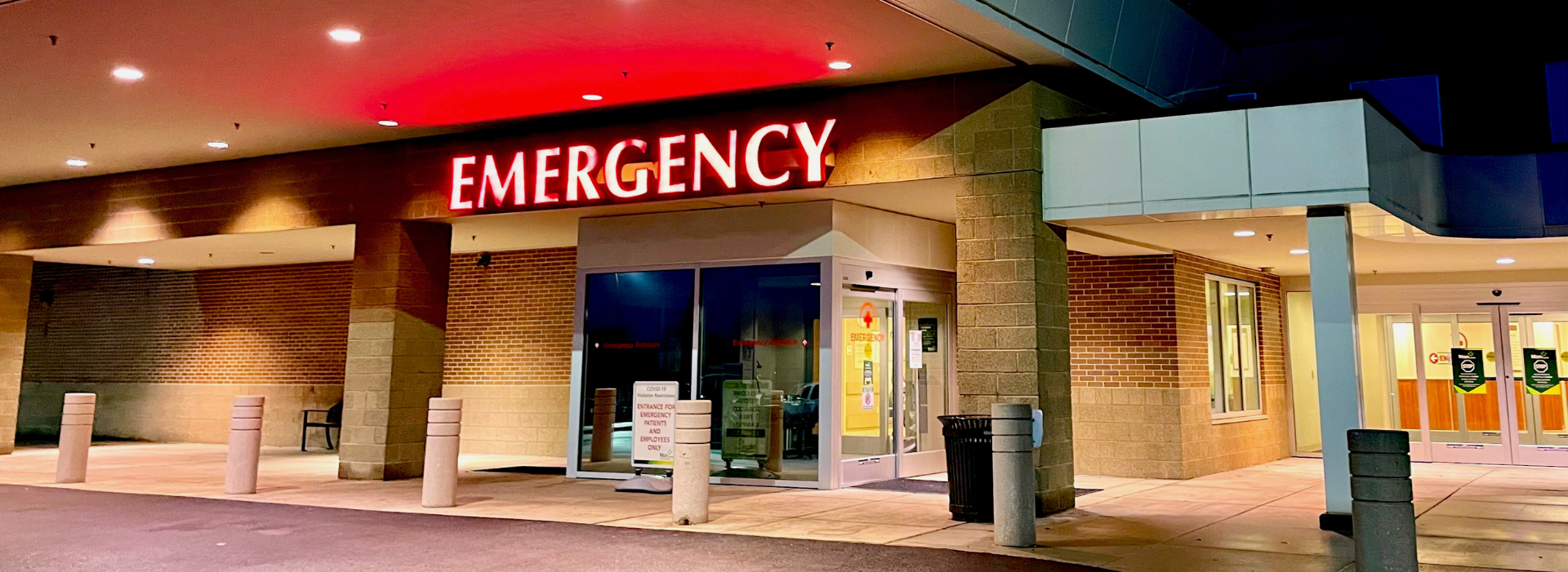
New research shows why dental coverage without access still sends adults to the ER
When dental pain becomes unbearable, many adults turn to hospital emergency departments for relief. Emergency rooms are not designed to provide dental care though and they rarely resolve the underlying problem. Emergency department visits for dental pain cost roughly $1,600 per visit in rural areas and more than $2,500 in urban and suburban communities.
A newly published study in the Journal of Public Health Dentistry, sponsored by Delta Dental and led by researchers at Texas A&M University College of Dentistry, examines why adults continue to rely on emergency departments for dental pain. The findings point to a clear conclusion: coverage alone is not enough. Without comprehensive adult dental benefits and access to providers, people are left without meaningful care options.
Emergency rooms are filling a dental care gap
The study analyzed emergency department visits for non‑traumatic dental conditions, such as tooth decay, infections, and abscesses, conditions that can typically be prevented or treated in a dental office. For many adults, especially those living in rural communities, the emergency department becomes the only option when dental care is unavailable. For individuals who have always had access to preventive dental care, this reality can be difficult to imagine, yet it reflects persistent gaps in coverage, provider availability, and access to routine services.
Researchers examined 2019 emergency department data from eight states to better understand who is using the emergency room for dental care and why. What they found is that emergency department use for dental pain is not driven by seniors or rare emergencies. Instead, working‑age adults, particularly those ages 20 to 44, account for the majority of these visits. These patients often arrive at the emergency room in pain, receive temporary relief such as antibiotics or pain medication, and leave without treatment for the underlying dental problem. As a result, many return to the emergency department when symptoms worsen.
Rural communities face higher barriers to care
The research highlights significant differences between rural and urban communities. Adults living in rural areas are more likely than urban residents to visit the emergency department for dental pain. Limited access to dentists, fewer providers per capita, transportation challenges, and shortages in dental health professionals all contribute to this trend.
Even when individuals have Medicaid coverage, rural residents face higher rates of emergency dental visits. The study showcases how provider access matters just as much as insurance status. If patients cannot find a dentist who accepts their coverage, or if no dental providers are available nearby, insurance alone does not translate into care.
Medicaid coverage without dental benefits falls short
One of the study’s most important findings is that Medicaid expansion by itself does not reduce dental‑related emergency department use when adult dental benefits are excluded. In states that expanded Medicaid but did not include comprehensive adult dental benefits, emergency department visits for dental pain remained high, especially in rural areas.
Uninsured adults remain the most vulnerable across all states, consistently showing the highest likelihood of emergency dental visits. However, among those covered by Medicaid, the highest risk of emergency department use occurs in rural communities in states without adult dental benefits.
This pattern reinforces a critical point: coverage that excludes dental care leaves people without a pathway to preventive or routine treatment, pushing them into costly and ineffective emergency care.
Why this research matters for Tennessee
As of 2019, Tennessee did not provide adult dental benefits under Medicaid. The study identifies states without adult dental benefits as facing the greatest risk for preventable dental emergency department visits, particularly among rural populations.
Since that time, Tennessee has taken meaningful steps to expand access to care. Under the leadership of former State Commissioner of Health Dr. Lisa Piercey, the state introduced limited adult dental benefits and launched the Healthy Smiles Initiative, an effort focused on strengthening the dental workforce, expanding dental school capacity, and encouraging providers to practice in rural communities.
While the research does not report state‑specific utilization rates for Tennessee, its findings are especially relevant given the state’s rural geography and existing access challenges. The data make clear that without comprehensive adult dental benefits and sufficient provider participation, adults are more likely to delay care until pain becomes an emergency.
Reducing preventable emergency visits requires real access
The study points to several policy and access strategies that can help reduce reliance on emergency departments for dental care:
-
Expanding Medicaid to include comprehensive adult dental benefits
-
Ensuring reimbursement rates support provider participation, especially in rural areas
-
Strengthening the dental workforce through innovative care models, such as mobile dental clinics and teledentistry
When dental coverage is paired with real access to care, patients are more likely to receive preventive services and timely treatment, before pain escalates into an emergency.
These efforts reflect a growing recognition that improving oral health outcomes requires not only coverage, but also a strong, well‑distributed dental workforce and sustainable access points for care.
Moving care upstream
Emergency department visits for dental pain represent high‑cost, low‑value care. They strain hospital systems, fail to address the root cause of oral health problems, and leave patients stuck in a cycle of temporary relief and repeat visits.
This research reinforces a simple truth: oral health is essential to overall health, and access to dental care matters.
Across Tennessee, charitable dental clinics and community‑based programs are already helping provide alternatives to emergency departments for dental care, meeting immediate needs while broader access solutions continue to evolve.
Through continued investment in research, community partnerships, and access‑driven solutions, Delta Dental of Tennessee, and it's Smile180 Foundation are helping move care upstream, so fewer Tennesseans are forced to seek relief in the emergency room and more can receive the right care, at the right time, in the right place.
Related Articles
Find a dental plan that is right for you
Find a Dental Plan